indigenous peoples
20 items

Tanna
In a traditional tribal society in the South Pacific, a young girl, Wawa, falls in love with her chief’s grandson, Dain. When an inter-tribal war escalates, Wawa is unknowingly betrothed as part of a peace deal. The young lovers run away, refusing her arranged fate. They must choose between their hearts and the future of the tribe, while the villagers must wrestle with preserving their traditional culture and adapting it to the increasing outside demands for individual freedom.
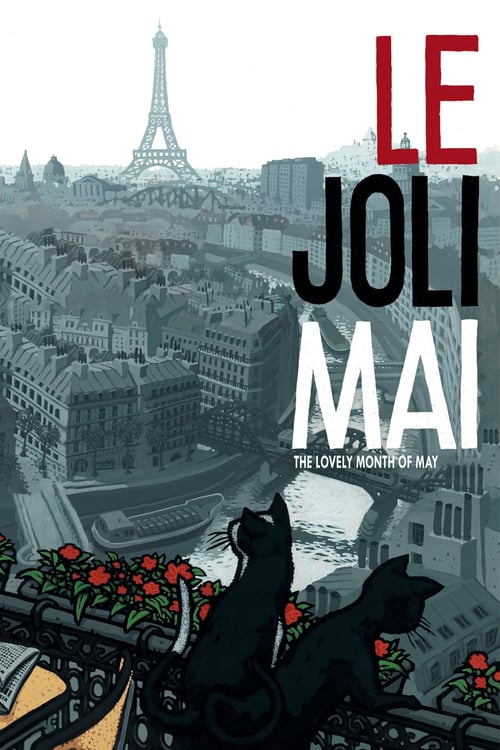
The Lovely Month of May
Le Joli Mai
Candid interviews of ordinary people on the meaning of happiness, an often amorphous and inarticulable notion that evokes more basic and fundamentally egalitarian ideals of self-betterment, prosperity, tolerance, economic opportunity, and freedom.

The Lost Children
Los niños perdidos
After a plane crash, four indigenous children fight to survive in the Colombian Amazon using ancestral wisdom as an unprecedented rescue mission unfolds.
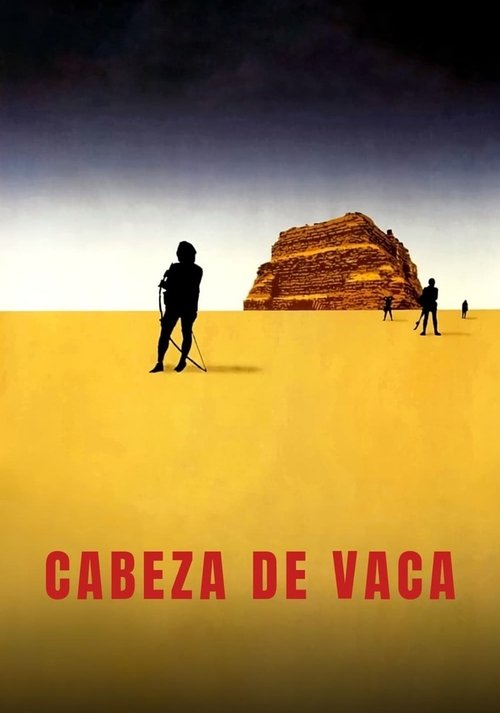
Cabeza de Vaca
In 1528, a Spanish expedition flounders off the coast of Florida with 600 lives lost. One survivor, Alvar Nunez Cabeza de Vaca, roams across the American continent searching for his Spanish comrades. Instead, he discovers the Iguase, an ancient Indian tribe. Over the next eight years, Cabeza de Vaca learns their mystical and mysterious culture, becoming a healer and a leader. But soon this New World collides with the Old World as Spanish conquistadors seek to enslave the Indians, and Cabeza de Vaca must confront his own people and his past.
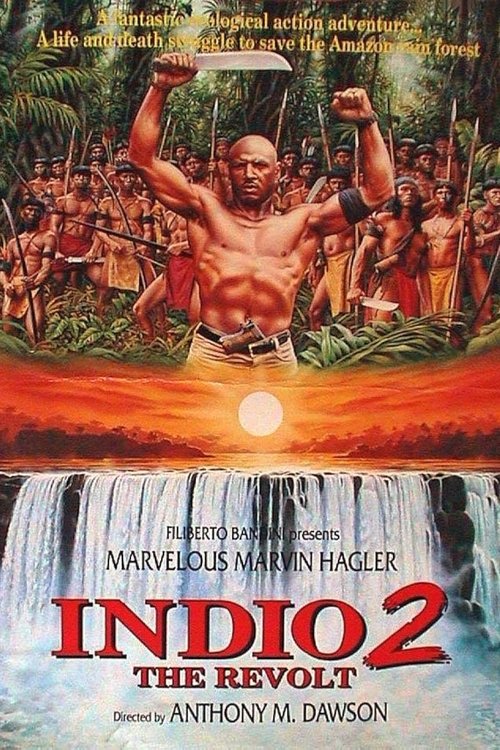
Indio 2 - The Revolt
Indio 2 - La rivolta
A corporation building a highway through the rainforest hires a gang of mercenaries to get rid of the local Indians, who don't want the highway built through their lands. The mercenaries resort to murder, massacres and enslavement to rid the company of its Indian problem. Sgt. Irons, a former Marine NCO, helps to unite the jungle tribes and leads them in their fight to protect their homes and their families.
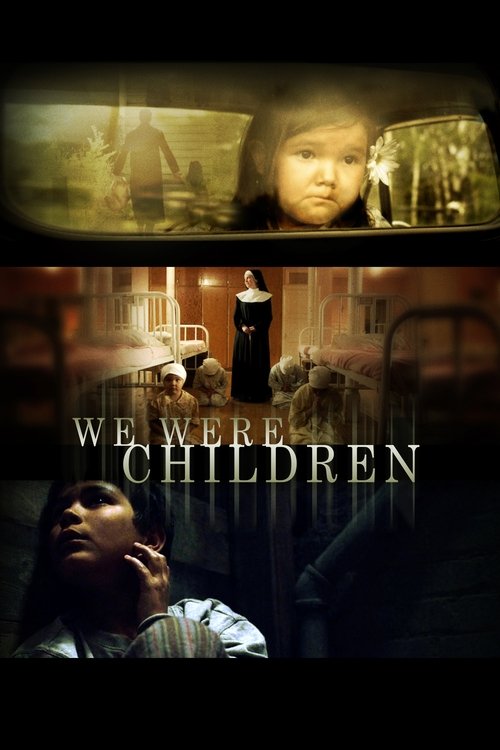
We Were Children
For over 130 years till 1996, more than 100,000 of Canada's First Nations children were legally required to attend government-funded schools run by various Christian faiths. There were 80 of these 'residential schools' across the country. Most children were sent to faraway schools that separated them from their families and traditional land. These children endured brutality, physical hardship, mental degradation, and the complete erasure of their culture. The schools were part of a wider program of assimilation designed to integrate the native population into 'Canadian society.' These schools were established with the express purpose 'To kill the Indian in the child.' Told through their own voices, 'We Were Children' is the shocking true story of two such children: Glen Anaquod and Lyna Hart.
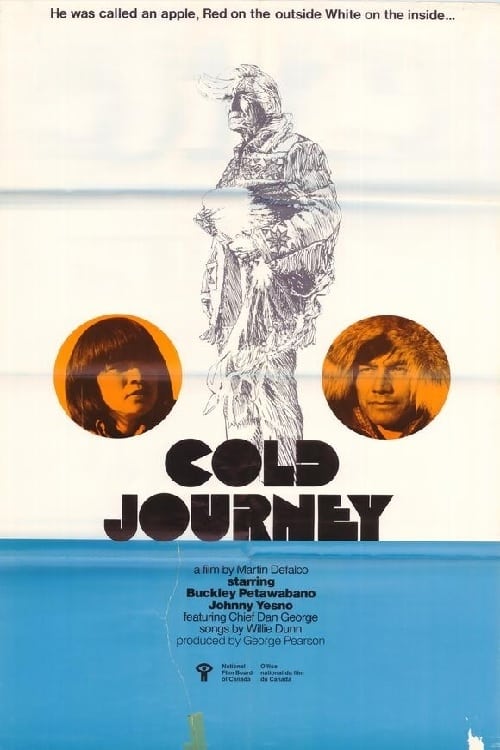
Cold Journey
In this feature drama, a Canadian Indigenous youth attempts to find a place for himself. He faces culture shock as the educational system teaches him to be a white man and tries to find a way of life more meaningful to his Indigenous culture and ancestry.
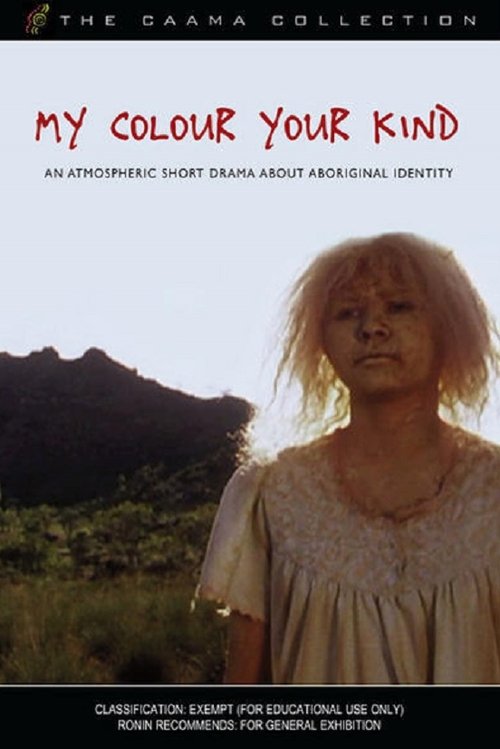
My Colour, Your Kind
A portrait of an albino Aboriginal teenager, her feelings of alienation while at a convent boarding school, and her dreams of escape.
How the Fiddle Flows
How the Fiddle Flows follows Canada's great rivers west along the fur-trading route of the early Europeans. The newcomers introduced the fiddle to the Aboriginal people they intermarried with along the way. A generation later, their mixed-blood offspring would blend European folk tunes with First Nations rhythms to create a rich and distinct musical tradition. From the Gaspé Peninsula, north to Hudson Bay and to the Prairies, How the Fiddle Flows reveals how a distinctive Metis identity and culture were shaped over time. Featuring soaring performances by some of Canada's best known fiddlers and step dancers and narrated by award-winning actress Tantoo Cardinal.
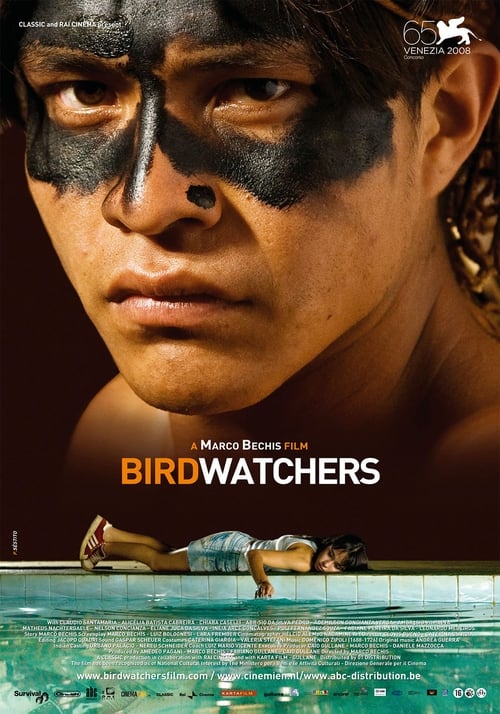
Birdwatchers
BirdWatchers - La terra degli uomini rossi
Mato Grosso do Sul, Brazil, the present. When a young Guarani-Kaiowá woman commits suicide, Nádio leads his community to form a protest camp on the borders of a local farm that sits on their ancestral burial ground.
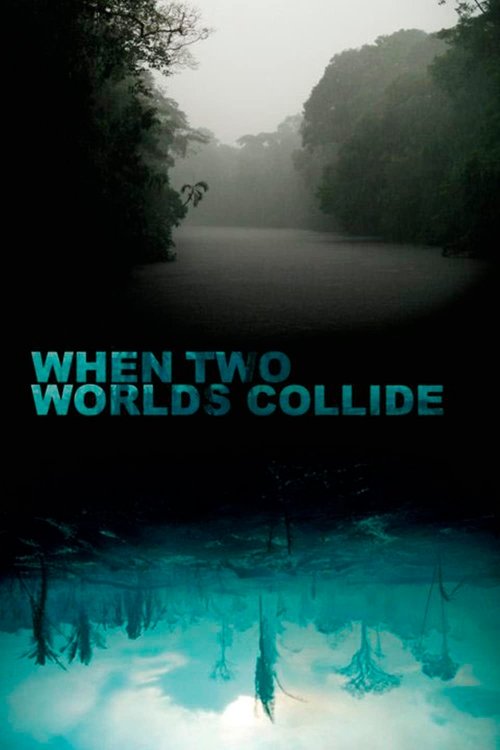
When Two Worlds Collide
In this tense and immersive tour de force, audiences are taken directly into the line of fire between powerful, opposing Peruvian leaders who will stop at nothing to keep their respective goals intact. On the one side is President Alan Garcia, who, eager to enter the world stage, begins aggressively extracting oil, minerals, and gas from untouched indigenous Amazonian land. He is quickly met with fierce opposition from indigenous leader Alberto Pizango, whose impassioned speeches against Garcia’s destructive actions prove a powerful rallying cry to throngs of his supporters. When Garcia continues to ignore their pleas, a tense war of words erupts into deadly violence.
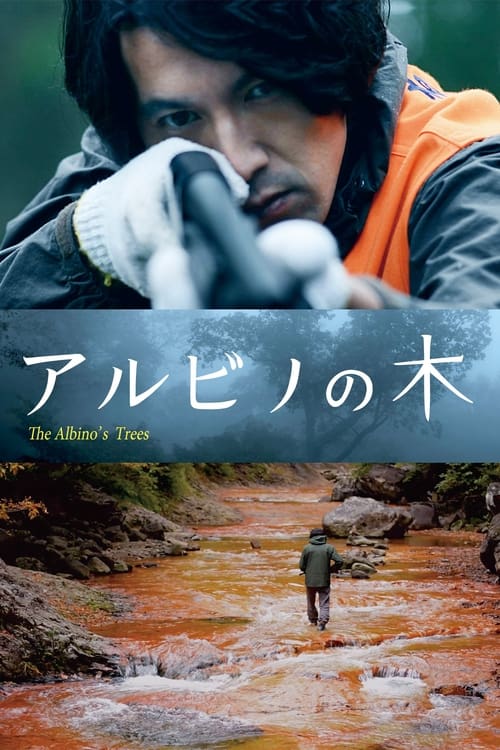
The Albino's Trees
アルビノの木
A poignant moral dilemma unfolding against lush mountainous landscapes, The Albino’s Trees follows Yuku (Ryohei Matsuoka), an animal control hunter who takes on a lucrative job to kill a rare white deer considered to be a god of the forest by a nearby village. Though Yuku initially steps up to the task in order to support his mother’s medical bills, his will begins to falter as he gets to know the villagers and the reasons behind their difficult choice to live as outsiders.
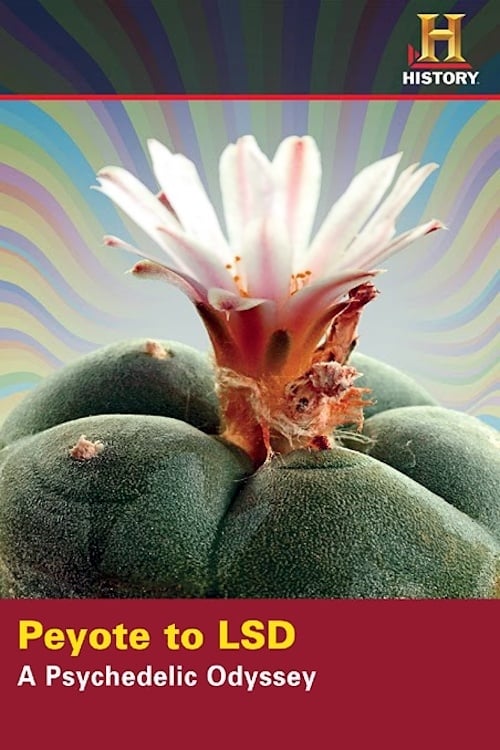
Peyote to LSD: A Psychedelic Odyssey
Plant Explorer Richard Evans Schultes was a real life Indiana Jones whose discoveries of hallucinogenic plants laid the foundation for the psychedelic sixties. Now in this two hour History Channel TV Special, his former student Wade Davis, follows in his footsteps to experience the discoveries that Schultes brought to the western world. Shot around the planet, from Canada to the Amazon, we experience rarely seen native hallucinogenic ceremonies and find out the true events leading up to the Psychedelic Sixties. Featuring author/adventurer Wade Davis ("Serpent and the Rainbow"), Dr. Andrew Weil, the Grateful Dead's Bob Weir and many others, this program tells the story of the discovery of peyote, magic mushrooms and beyond: one man's little known quest to classify the Plants of the Gods. Richard Evans Schultes revolutionized science and spawned another revolution he never imagined.
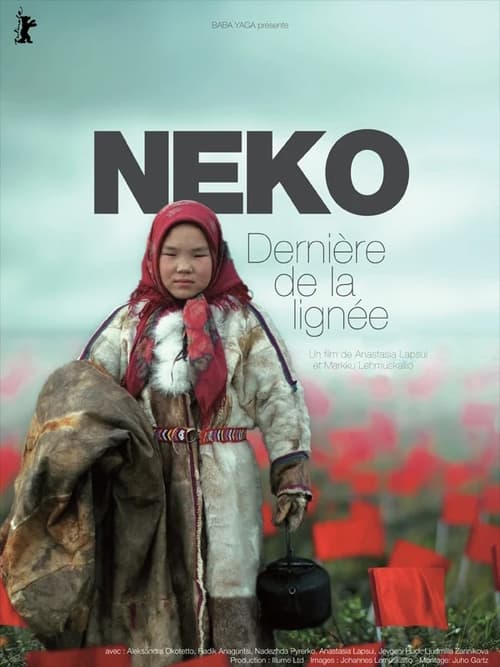
Pudana: Last of the Line
Sukunsa viimeinen
A little Nenets girl Neko is taken against her will from her home to a boarding school in a remote Russian village. Forced to adapt to a foreign culture and new customs, Neko rebels and decides to flee, hoping to get back to her family and old habits.
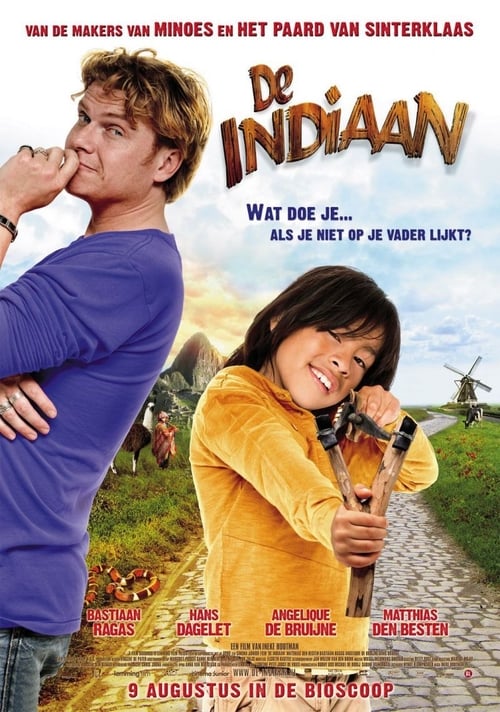
The Indian
De Indiaan
An adopted eight-year-old Peruvian boy wants to look like his typically Dutch father; however, an encounter with a band of Peruvian-Indian street musicians will inspire him to find his roots.
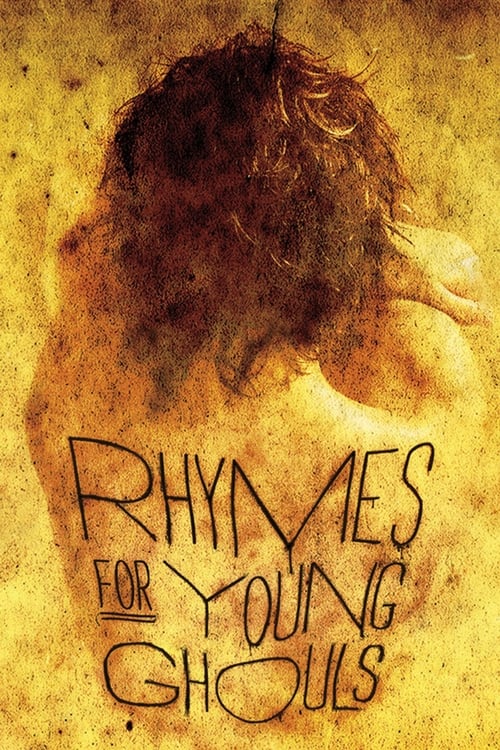
Rhymes for Young Ghouls
In 1976, a Mi'gMaq teenager plots revenge against the sadistic Indian agent who imprisoned her in a residential school where rape and abuse are common.
LaDonna Harris: Indian 101
A documentary film about Comanche activist LaDonna Harris, who led an extensive life of Native political and social activism, and is now passing on her traditional cultural and leadership values to a new generation of emerging Indigenous leaders.

Eami
Eami means ‘forest’ in Ayoreo. It also means ‘world’. The story happens in the Paraguayan Chaco, the territory with the highest deforestation rate in the world. 25,000 hectares of forest are being deforested a month in this territory which would mean an average of 841 hectares a day or 35 hectares per hour. The forest barely lives and this only due to a reserve that the Totobiegosode people achieved in a legal manner. They call Chaidi this place which means ancestral land or the place where we always lived and it is part of the "Ayoreo Totobiegosode Natural and Cultural Heritage". Before this, they had to live through the traumatic situation of leaving the territory behind and surviving a war. It is the story of the Ayoreo Totobiegosode people, told from the point of view of Asoja, a bird-god with the ability to bring an omniscient- temporal gaze, who becomes the narrator of this story developed in a crossing between documentary and fiction.
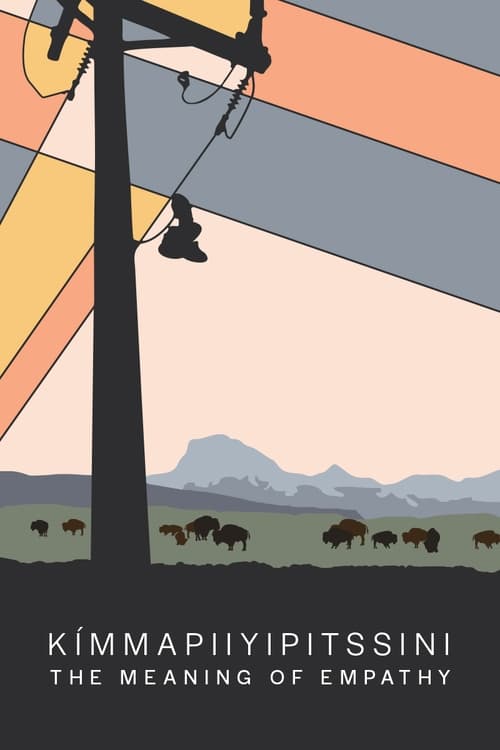
Kímmapiiyipitssini: The Meaning of Empathy
Follow filmmaker Elle-Máijá Tailfeathers as she creates an intimate portrait of her community and the impacts of the substance use and overdose epidemic. Witness the change brought by community members with substance-use disorder, first responders and medical professionals as they strive for harm reduction in the Kainai First Nation.
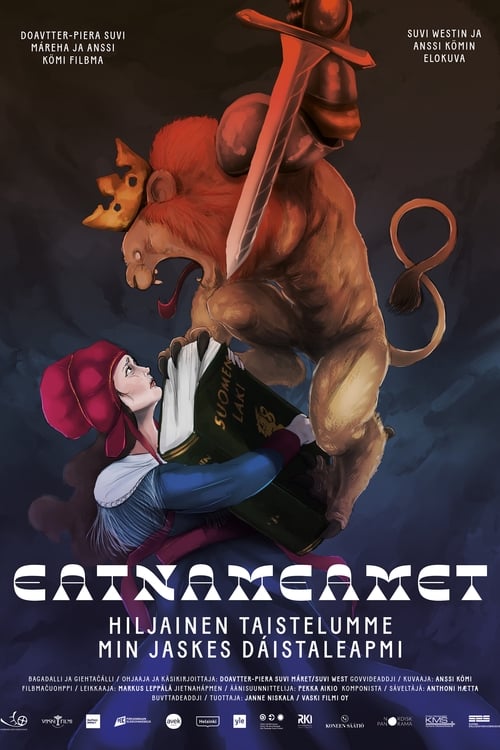
Eatnameamet – Our Silent Struggle
Eatnameamet – Hiljainen taistelumme
The AssimiNation is a political pamphlet portraying the indigenous Sámi people fighting for their existence. The film follows the on going cultural genocide of the Sámi which the current Governmental politics allow. This film is a cry for help for the last indigenous people living in the EU.